Dealvessa
Dealvessa Since 2016

About Dealvessa

Movement without equipment.

Gymnastics built around the body you already have — accessible from any room, in any country, at any hour.

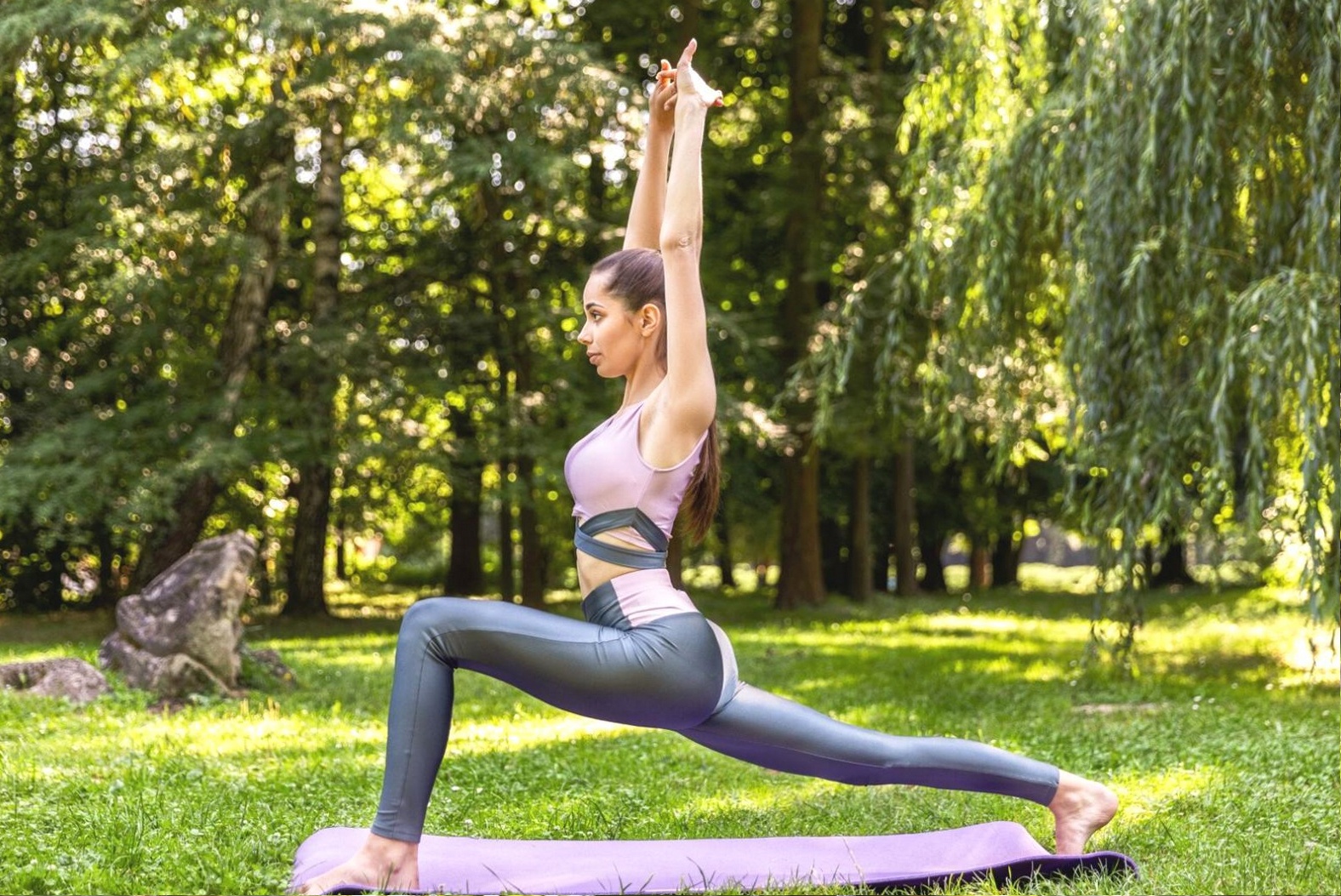
Gymnast demonstrating a bodyweight movement in an open space

A practical answer to a real gap.

Close-up of hands gripping a floor surface during a gymnastics drill

Dealvessa began in 2016 with a straightforward observation: most people who want to learn gymnastics fundamentals cannot reach a gym regularly — whether because of geography, schedule, or cost.

The platform was built to remove those barriers without lowering the standard of instruction. Every lecture sequence is structured so a learner working alone — with a floor and enough ceiling clearance — can progress through genuine skill development, not just fitness routines.

Students currently access the curriculum from more than 40 countries. The content is delivered in English and structured to work across time zones, so a practitioner in Perth and one in Warsaw follow the same progression without either being disadvantaged by the clock.

The focus has remained narrow on purpose. No-equipment gymnastics is a specific discipline with its own progressions, terminology, and failure modes. Staying within that boundary means the instruction stays precise rather than broad and generic.

How a session actually works.

Each lecture follows a fixed sequence — not because it is rigid, but because the order reflects how the body learns motor patterns most efficiently.

Phase 01

Context and intent

Each session opens with a brief explanation of what the movement is, where it sits in the broader skill tree, and what a learner should notice in their own body as they attempt it. This is not motivational framing — it is technical orientation.

Phase 02

Prerequisite check

Before the primary drill begins, the lecture walks through a short self-assessment. Skipping prerequisites is the most common reason learners plateau — so this step is treated as non-optional, not a formality.

Phase 03

Drill with deliberate variation

The movement is practised across two or three load variations — easier and harder — so the learner can identify exactly where their current threshold sits rather than guessing. Repetitions are kept low; attention is kept high.

Phase 04

Written debrief prompt

Every lecture ends with a short written prompt — one or two specific questions the learner answers privately. Research on motor learning consistently shows that articulating what happened in a session accelerates retention more than additional repetitions.

Portrait of Dealvessa lead instructor

Tobias Wrenfield

Lead Instructor

Programme principles

  • Structured bodyweight progressions — each skill builds on verified mastery of the one before it, not on elapsed time.
  • Movement quality measured before volume — a clean single repetition is always more instructive than ten imprecise ones.
  • Flexible scheduling — lectures are self-paced and asynchronous, designed for learners who cannot commit to fixed class times.
  • Sequential delivery — content unlocks in order because gymnastics skill acquisition is cumulative, not modular.

Get in touch.

Questions about curriculum, access, or technical matters — reach out directly. Responses typically arrive within one business day.

Contact page