
Movement practised anywhere, structured properly.
Dealvessa delivers sequential gymnastics lectures built for real spaces — no gym, no apparatus, no commute required.
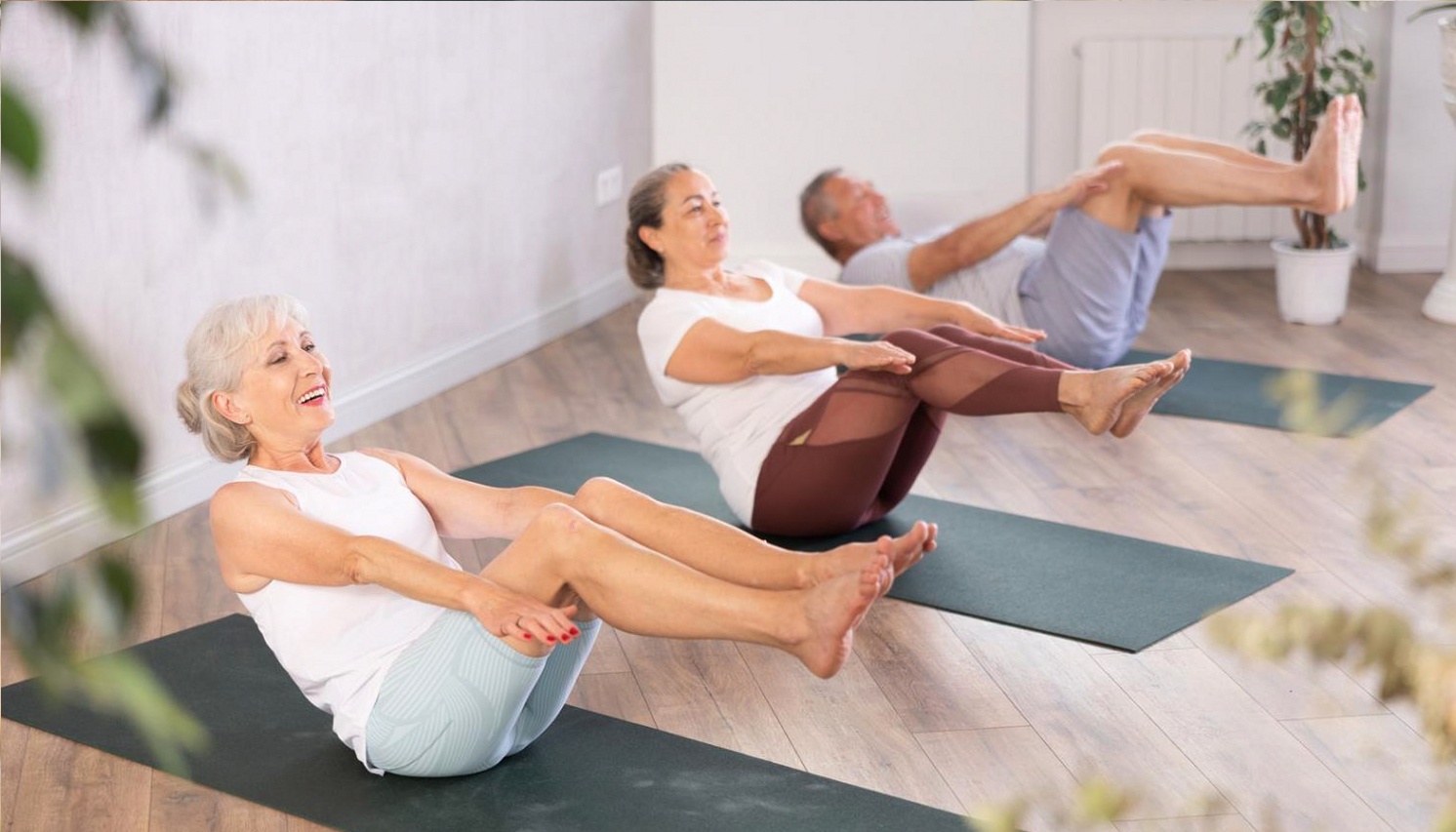
Does online gymnastics actually work?
Most people arrive here with a version of the same doubt: gymnastics requires a coach watching you, a sprung floor, maybe a spotter. Watching a screen feels like a poor substitute for that.
Sequencing matters more than supervision
The lectures on this platform follow a deliberate order — each session builds on the previous one. The structure itself does the work that a coach would otherwise manage in person.
Floor space is the only requirement
Every exercise in these programmes was selected because it works on a standard floor area — roughly 2 m by 2 m. No apparatus, no mats, no equipment purchases.
Honest about what takes time
Flexibility and body control develop over weeks, not sessions. The lectures set clear expectations — progress is visible, but it follows consistent practice, not a shortcut.
What the platform holds
Four distinct tracks, each built around a different physical focus. Students choose one entry point and move through it at their own pace.
 12 lectures
Floor Movement Fundamentals
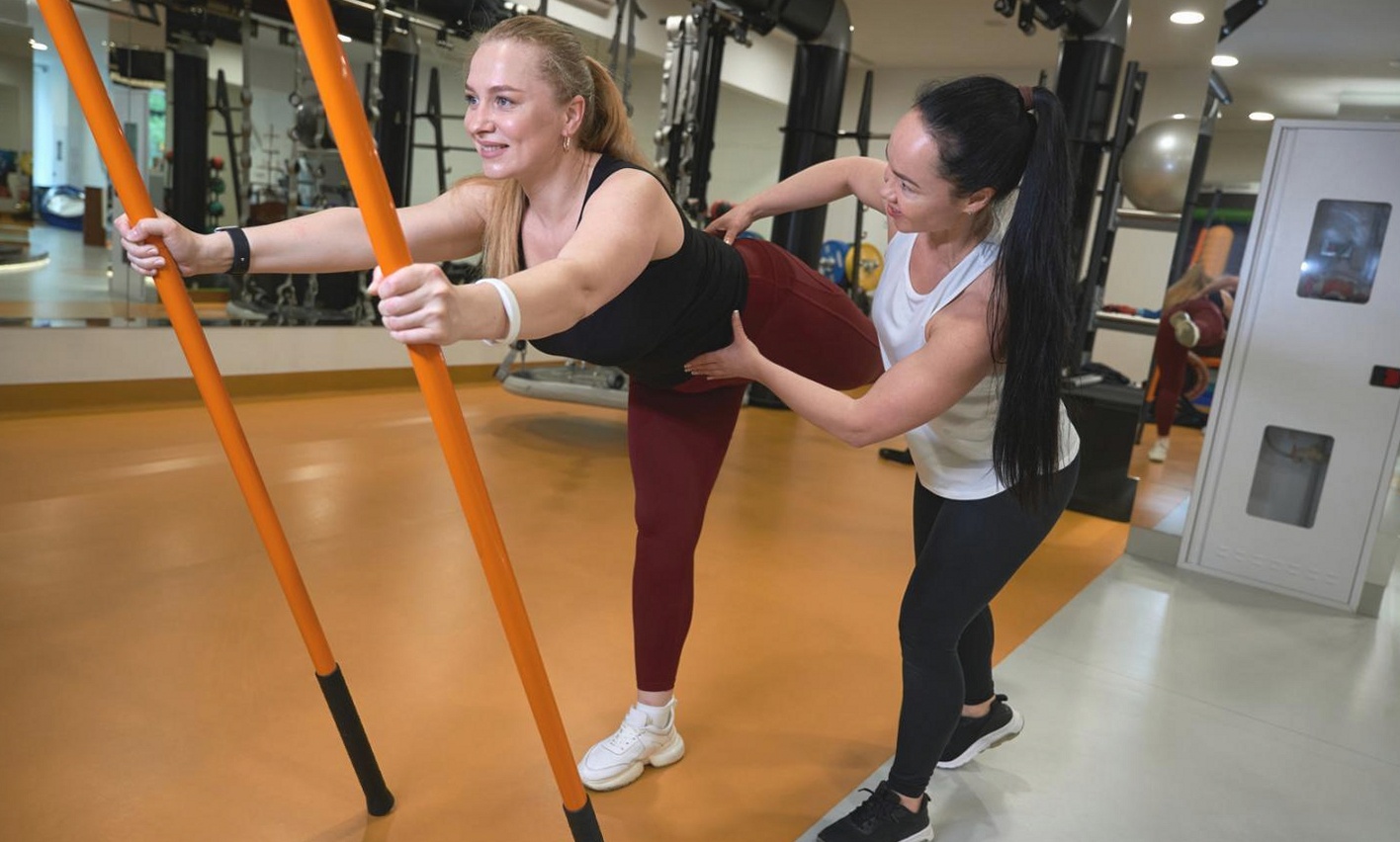 9 lectures
Balance and Body Control
Progressive Flexibility
Eight lectures addressing range of motion from a structural standpoint — joint mobility first, passive stretching second.
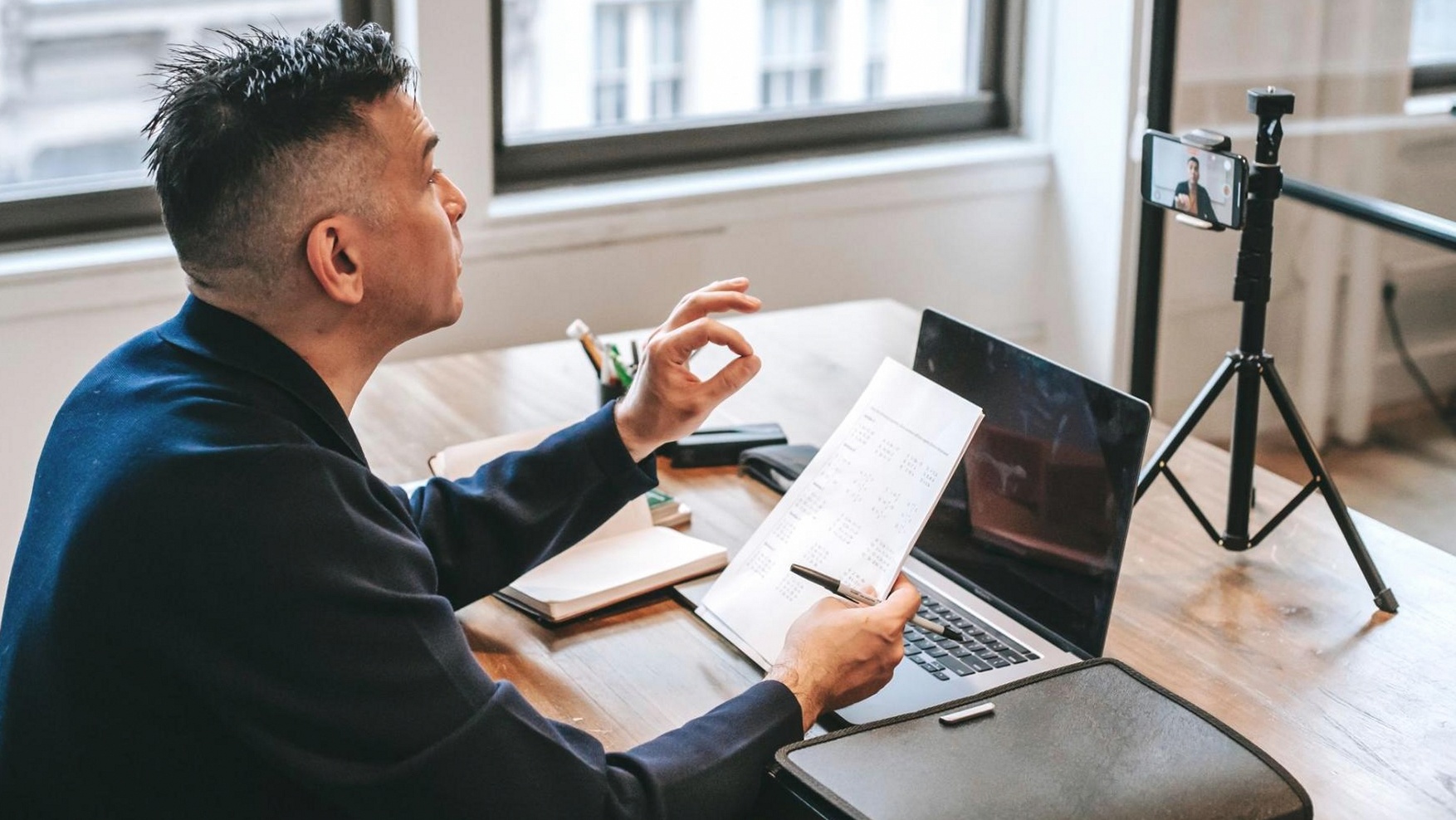 10 lectures
Strength Without Equipment
Study at your pace
All lectures remain accessible after enrolment. Revisit any session, pause mid-sequence, or repeat a week — the schedule is yours to set.
What changes in practical terms
Finishing a track is not a credential — it is a shift in what your body can do and how reliably it does it.
Movement becomes deliberate, not effortful
Students finishing the Foundation track consistently report that transitions between positions — standing to floor, weight-shifting, rolling — stop requiring concentration. The patterns become automatic.
Posture holds without reminders
The Balance and Body Control track addresses the small stabiliser muscles that most exercise routines skip. Students find that sitting, standing and walking posture improves without active effort.
A second track becomes easier to start
Body awareness built in one track carries over. Students who complete two tracks report that the second felt shorter — not because it was, but because the foundational vocabulary was already in place.
No performance target required
These tracks are not preparation for competition. Finishing one means you move better in ordinary life — that is the stated goal and the realistic outcome.
Two students, different starting points
Neither came with a gymnastics background. Both describe the same shift — not dramatic, but durable.
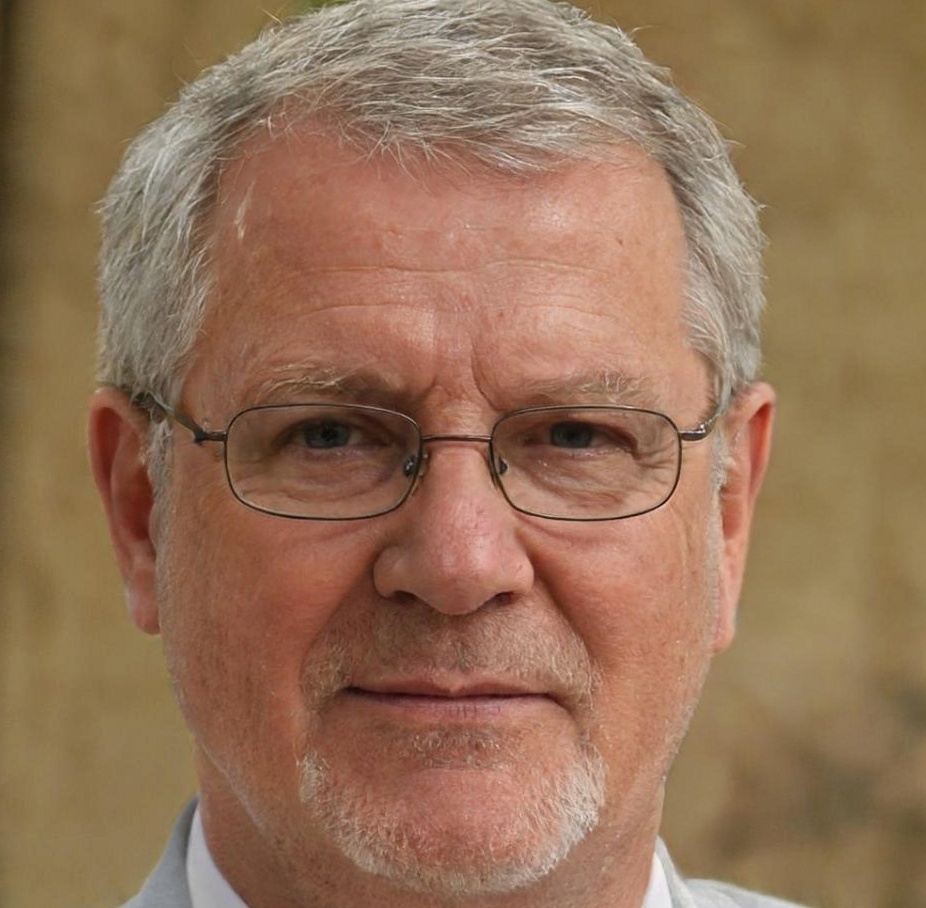
Spent most of my day seated. After eight weeks on the Foundation track, I noticed that getting up from the floor — which I'd been avoiding — stopped being something I thought about.
Completed Floor Movement Fundamentals, then moved on to the Balance and Body Control track. Works through lectures on weekday evenings, roughly 35 minutes per session.
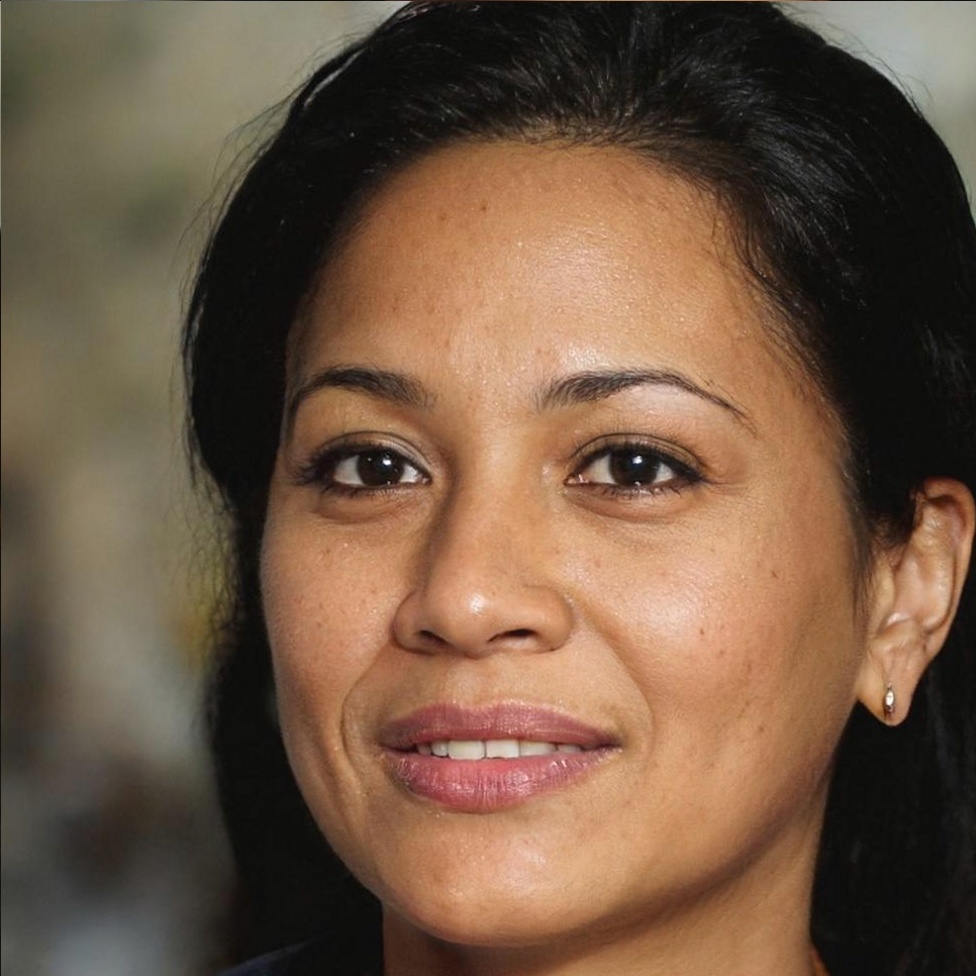
I was sceptical that a lecture format would hold my attention for physical training. It did — because the explanations are specific. You understand why a position works, not just how to hold it.
Started with Progressive Flexibility after a recommendation from a colleague. Practises three times per week in her living room. Has since enrolled in the Strength track.